Plenty of sellers spent two years tuning their listings for Rufus. Titles rewritten. Bullets turned into answers. Q&A cleaned up. It was a lot of work, and fair enough, because that’s what Amazon was telling everyone to do.
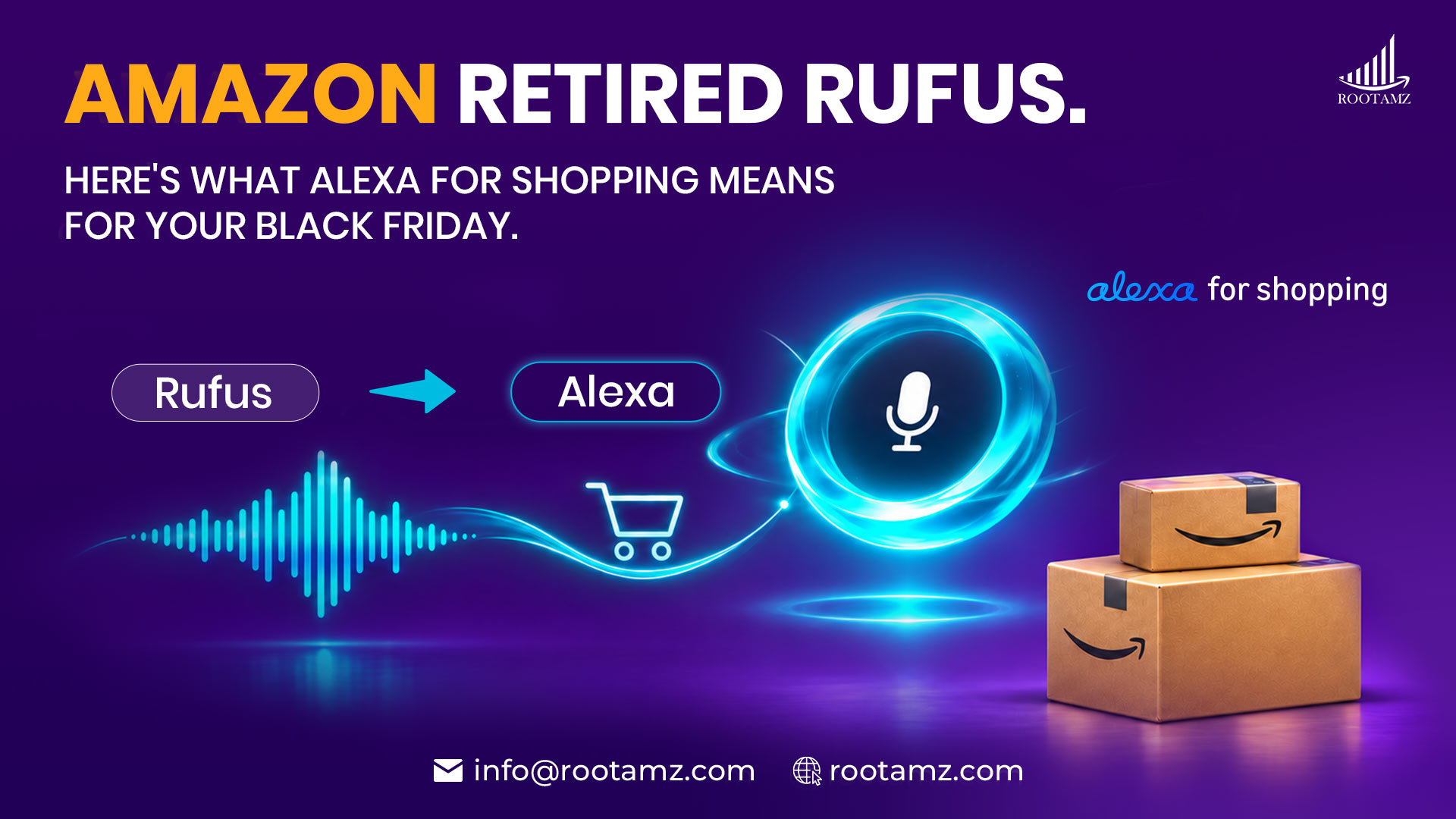
Then on 13 May 2026, Amazon retired the name.
Rufus didn’t disappear. Its technology was folded into Alexa+ and relaunched as Alexa for Shopping. It’s one agent that sits in the search bar and also runs on the Shopping app, Alexa.com and Echo devices.
So was your Rufus work wasted? No. But the job has changed, and Black Friday is the first real test.
It Doesn’t Just Answer Anymore. It Buys.
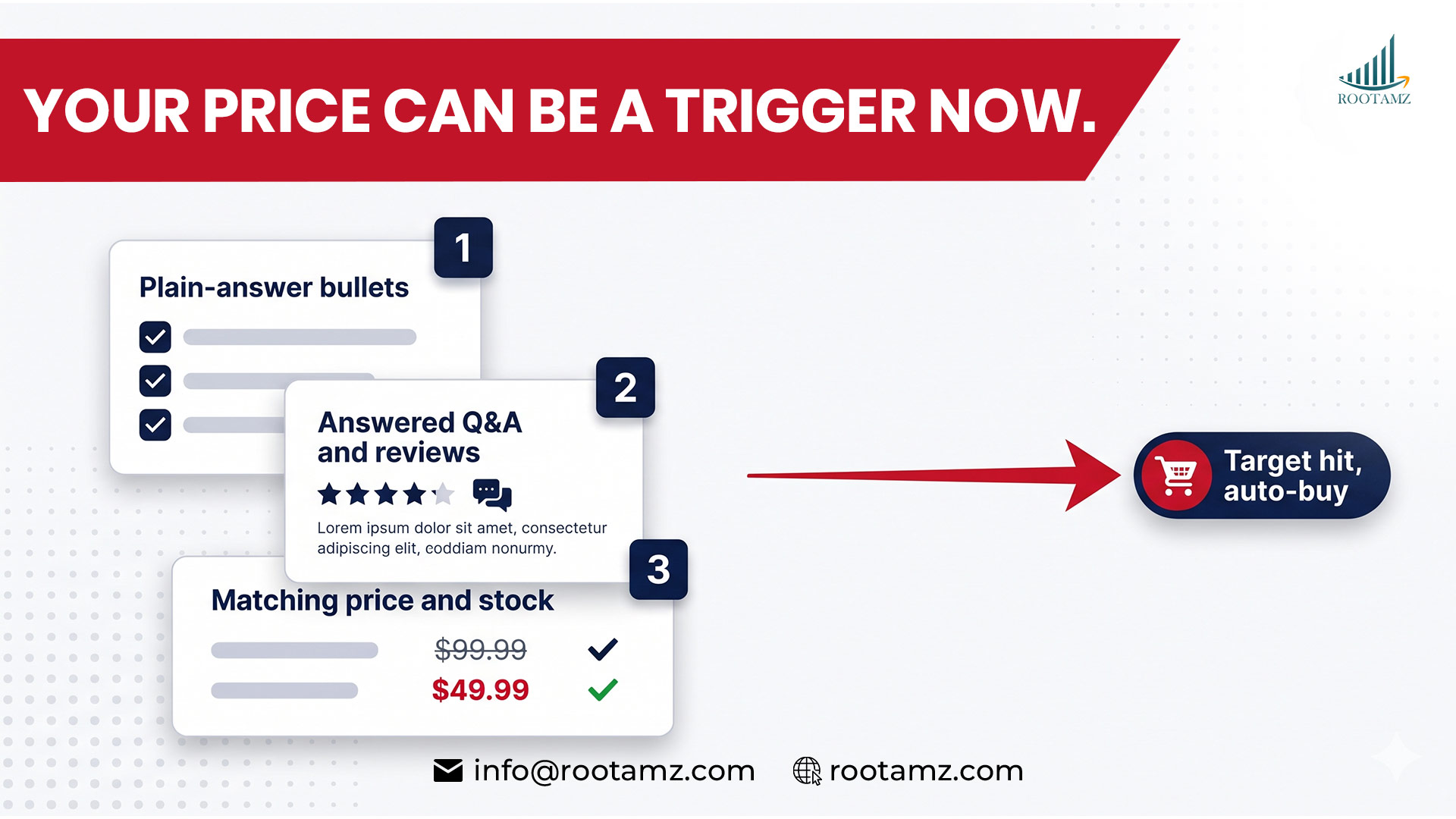
Rufus told shoppers what to consider. Alexa for Shopping acts on it. It tracks prices. It can auto-buy when a product hits a target price. It turns a handwritten list into a cart. It runs scheduled, repeat purchases.
Think about what that does to a sale day. A shopper sets a target price and walks away. The agent keeps checking. When one seller’s price qualifies, it buys. No scrolling, no comparing tabs, no “let me think about it.”
Black Friday lands on 27 November and Cyber Monday on 30 November. If your deal price is set carelessly, it’s no longer just a margin problem. It’s a trigger. A price that dips for ten minutes because of a repricer glitch can now turn into real orders, bought automatically, at a loss.
The upside is real too. If your price and listing are right, you can win sales from shoppers who never opened a single result page.
Buy for Me Takes It Off Amazon
Two features reach beyond Amazon’s own store: Shop Direct and Buy for Me. If a product isn’t on Amazon, the agent can send shoppers to the brand’s own website, or complete the checkout there on their behalf.
For anyone running a Shopify store next to Amazon, that’s a useful new door. It’s also a messy one. Some small businesses have reported that their sites were scraped without their consent. The complaints include AI-generated product images, and orders for items they no longer sold.
You can’t fully control that. You can see it, though. Search your own brand through the agent this week. Check whether the product details, images and prices it shows are accurate. If they aren’t, you want to find out now, not from an angry customer in December.
What the Agent Actually Reads
Mostly what Rufus read: your title, bullets, A+ Content, images, reviews and Q&A. Underneath sits COSMO, Amazon’s semantic layer, which connects the meaning of what a shopper asks to what your listing says. Agencies tracking Amazon’s agentic shift still point to it as the content layer brands underestimate.
That means keyword stuffing earns you nothing. A listing that explains itself clearly does.
Here are three things to check this week:
Bullets that answer plainly. What is it made of, who is it for, and what won’t it do? “Premium quality” tells the agent nothing. “Fits a 15-inch laptop, not suitable for 17-inch” tells it everything.
Reviews and Q&A. The agent reads the complaints too. If shoppers keep asking the same question and nobody has answered, that’s a gap a competitor can fill.
Matching data. If Amazon and your own site show different prices, sizes or stock levels, you’ve handed the agent a reason to pick someone else.
One honest note. Nobody outside Amazon knows exactly how this agent ranks products. Anyone selling you a secret formula is guessing. Clear listings, honest pricing and consistent data hold up whichever way it goes, and that’s the bet worth making.
Your Black Friday Checklist
Before 27 November, run through these:
Set a price floor on every repricer, so no glitch can drop you below profit.
Check your deal timing. Make sure Lightning Deals and coupons start and stop when you expect.
Confirm inventory. An agent that picks you and finds you out of stock moves on to the next seller, and your rank takes the hit.
Re-read your top ten listings as if you were the agent. Does each one answer the obvious questions in plain words?
None of this is glamorous. It’s the work that decides who gets the automatic orders.
How RootAMZ Helps
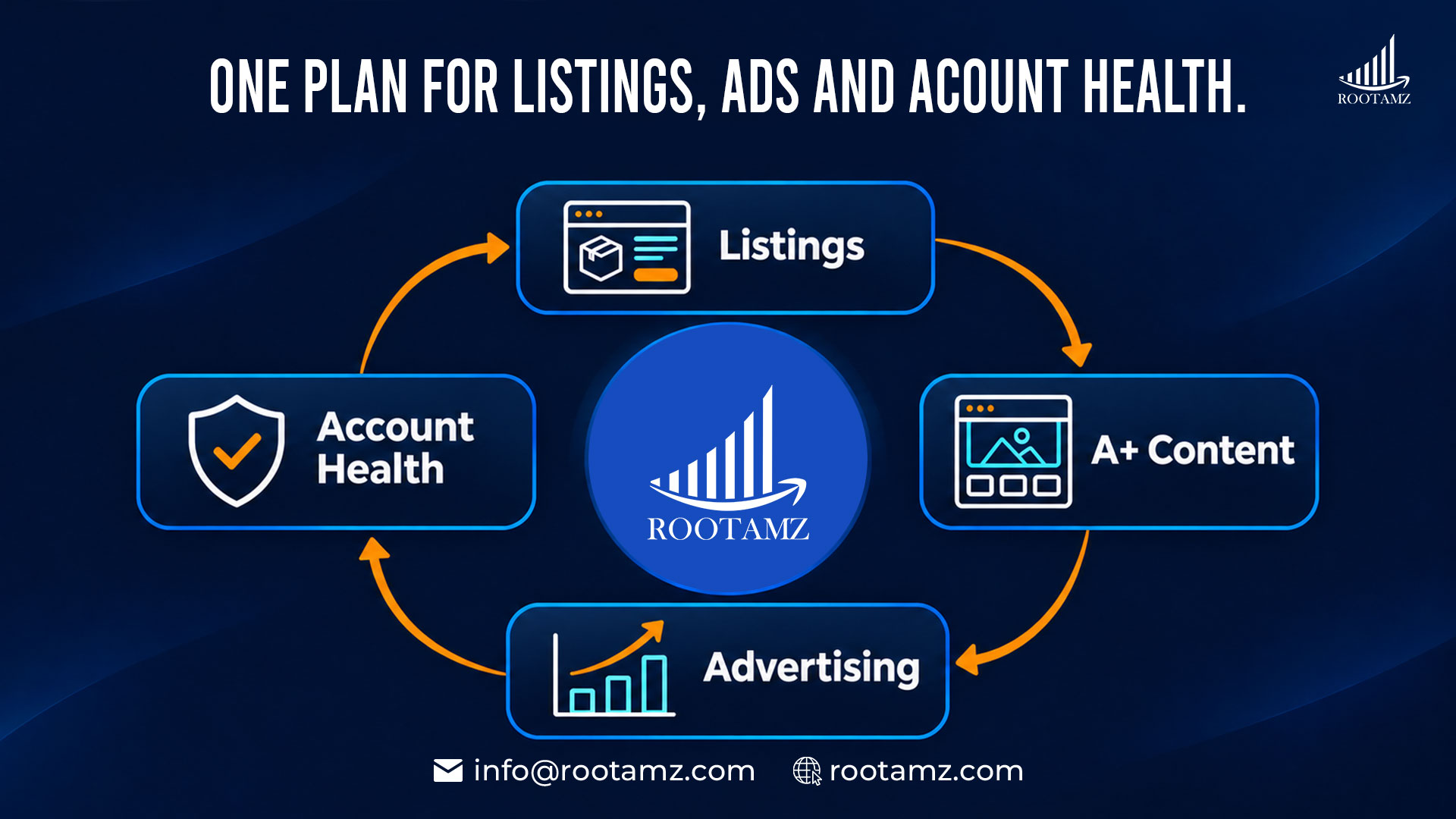
Rewriting listings for a moving target gets tiring fast, especially in Q4. RootAMZ’s Amazon Seller Central Management covers listings, A+ Content, advertising and account health together, so one change doesn’t quietly break another.
Services RootAMZ Provides:
Amazon Listing Optimisation: buyer-language copy that works for both the agent and the shopper.
Amazon A+ and Premium A+ Content: answers the questions your bullets can’t fit.
Amazon PPC Management: campaigns built around your real margin, including Q4 pricing.
Amazon Seller Central Management: account health watched weekly, not after a warning.
Shopify & Social Commerce Strategy: your own store and Amazon showing matching data.
Multi-Marketplace Management: Amazon, Walmart and eBay run as one plan.
We’re also an Amazon Ads Verified Partner, so advertising and listings get planned together, not in separate meetings. Talk to RootAMZ before Black Friday does it for you.
FAQ's
What happened to Rufus?
Amazon retired the name on 13 May 2026 and folded the technology into Alexa for Shopping.
Do I need to rewrite listings I optimised for Rufus?
Usually not. Clear, answer-led copy still works. Check pricing and data consistency first.
Can Alexa for Shopping really buy automatically?
Yes. Shoppers can set a target price, and the agent can purchase when a product reaches it.
What is Buy for Me?
A feature where the agent can complete purchases on a brand’s own website for the shopper.
Can RootAMZ audit my listings for this?
Yes. Get in touch for a listing and account audit.