Understanding Amazon Vendor Agreements: Terms, Negotiations & Red Flags
If you’ve ever received that coveted invitation to become an Amazon Vendor, you’ll know the feeling. It’s a bit like being asked to join an exclusive club exciting, validating & terrifying all at once. But before you pop the champagne & sign on the dotted line there’s a crucial step that far too many businesses rush through: actually understanding what you’re agreeing to.
Amazon Vendor agreements aren’t your typical supplier contracts. They’re dense, heavily weighted in Amazon’s favour & packed with terms that can significantly impact your margins, operational flexibility &long term profitability. Miss a clause here or overlook a stipulation there & you might find yourself locked into arrangements that squeeze your business dry.
Whether you’re a seasoned brand considering Vendor Central for the first time, or you’ve been operating as a vendor but never quite grasped the finer points of your agreement, this guide will walk you through the essential elements, negotiation strategies, and warning signs you absolutely need to know. As an Amazon Ads Verified Partner, RootAMZ specialises in helping brands navigate these complex waters and make informed decisions that protect their profitability.
What Exactly Is an Amazon Vendor Agreement?
Let’s start with the basics. When Amazon invites you to become a vendor (often called a 1P or first-party seller), you’re entering into a wholesale relationship. Amazon purchases your products directly, takes ownership of the inventory & then sells them to customers under its own banner. You become a supplier to Amazon, rather than selling directly to consumers as you would through Seller Central (3P).
The vendor agreement is the legal contract that governs this relationship. It outlines everything from payment terms & shipping requirements to chargebacks, marketing contributions &returns policies. Think of it as the rulebook for a game where Amazon has written most of the rules & holds the referee’s whistle.
These agreements can run to dozens of pages, filled with legal terminology that would make even the most patient reader’s eyes glaze over. But buried within that dense text are clauses that directly affect your bottom line. Ignore them at your peril.
Key Terms You Need to Understand
Pricing & Payment Terms
One of the first things you’ll notice is how Amazon structures pricing. The wholesale cost you agree to isn’t simply a percentage off your RRP. Amazon often expects you to provide pricing that allows them substantial margin while remaining competitive in the marketplace & they’re not shy about asking for better terms if your products aren’t selling as expected.
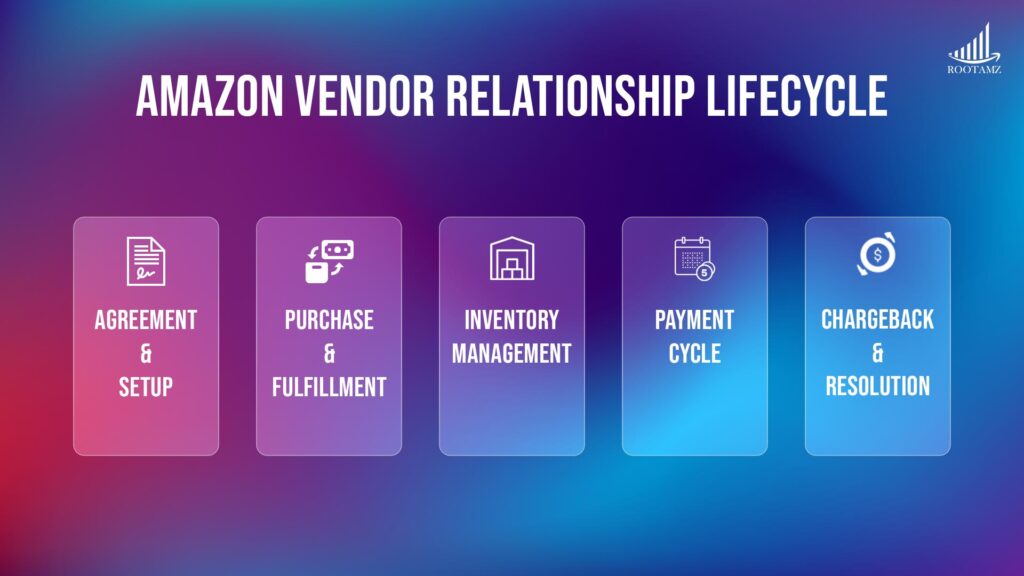
Payment terms are another critical consideration. Amazon typically operates on net 60 or even net 90 payment cycles. For smaller businesses accustomed to faster cash flow, this can create significant working capital challenges. You’re essentially funding Amazon’s inventory for two to three months before seeing a penny.
What’s more, Amazon reserves the right to deduct various fees & chargebacks before you receive payment. Shortage claims, packaging violations, late shipments these can all result in deductions that chip away at your margins.
Co Op & Marketing Contributions
Here’s where things get particularly interesting. Amazon often requests (& by “requests,” I mean strongly expects) financial contributions towards marketing & promotional activities. These might include Lightning Deals, featured placements, or seasonal campaigns.
Whilst these opportunities can genuinely drive volume, they also represent additional costs that weren’t necessarily part of your original pricing calculations. Some vendors find themselves contributing 5 to 15% of their revenue back to Amazon for various marketing programmes on top of already tight wholesale margins.The tricky bit is that refusing these “opportunities” can result in reduced visibility or fewer purchase orders. It’s not explicitly stated as retaliation, but the correlation is hard to ignore.
Chargebacks & Compliance Requirements
Amazon’s chargeback system is famously rigorous. Arrive a day late with a shipment? Chargeback. Packaging doesn’t meet specifications? Chargeback. Products don’t scan correctly at the warehouse? You guessed it chargeback.
These aren’t small inconveniences. Individual chargebacks can range from hundreds to thousands of pounds &they accumulate quickly if you’re not meticulously following Amazon’s operational requirements. The vendor agreement outlines Amazon’s right to impose these charges, but the specifics can be difficult to interpret without experience.
What catches many vendors off guard is how strictly Amazon enforces these terms. Traditional retail relationships might involve conversations & flexibility when issues arise. Amazon’s systems are largely automated &chargebacks are applied with algorithmic consistency.
Returns & Unsold Inventory
When Amazon purchases your products, you might assume they’ve taken on the inventory risk. Not quite. The vendor agreement typically includes provisions for Amazon to return unsold inventory to you, often without much notice & potentially in unsellable condition.Seasonal products are particularly vulnerable. If your Christmas items don’t sell through by January, you might receive them back in February far too late to be useful & often damaged from warehouse handling. You’ll need to factor in potential disposal costs & write-offs when calculating your true margins.
Negotiation: Is There Any Wiggle Room?
Here’s the question everyone asks: can you actually negotiate with Amazon? The honest answer is it depends.
What You Can (Sometimes) Negotiate
If you have a strong brand with proven demand, exclusive products, or market-leading positions, you’re in a stronger negotiating position. Amazon wants products that drive traffic & customer satisfaction. If you control something customers actively seek out, you have leverage.
Payment terms are occasionally negotiable, particularly if you’re a larger supplier. Moving from net 90 to net 60 might not sound revolutionary, but it can significantly improve your cash flow position.Minimum order quantities & restocking terms might also have some flexibility, especially if you can demonstrate that Amazon’s proposed volumes don’t align with realistic demand forecasting.
What’s Typically Non-Negotiable
Amazon’s operational requirements are largely set in stone. Packaging standards, shipping protocols &labelling requirements exist across their entire vendor network. Asking for exemptions here is unlikely to succeed.
The fundamental structure of chargebacks is also non-negotiable. Amazon views these as operational necessities for managing their vast logistics network. You can work to minimise them through compliance, but you won’t be exempted from the system itself.
Getting Professional Help
Many vendors find that engaging specialists who understand Amazon’s systems inside & out provides the best outcomes. Services like those offered by RootAMZ can help identify negotiation opportunities, decode complex agreement terms & develop strategies for optimising your vendor relationship.Attempting to negotiate complex vendor terms without experience is a bit like representing yourself in court technically possible, but rarely advisable.
Red Flags to Watch For
Not all vendor opportunities are created equal. Some agreements contain terms that should give you serious pause before signing.
Exclusivity Clauses
Some vendor agreements include language that restricts your ability to sell through other channels, including your own website or other marketplaces. Whilst Amazon rarely enforces complete exclusivity for most product categories, any clause that limits your distribution flexibility deserves scrutiny.
You’re essentially putting all your eggs in one basket & that basket has terms & conditions that can change.
Automatic Price Matching
Certain agreements include provisions requiring you to match or beat pricing offered through any other channel. This can severely limit your ability to run promotions elsewhere or maintain different pricing strategies across markets.If Amazon’s wholesale cost is already tight, being locked into matching their retail price across all channels can eliminate profitability on direct sales.
Minimum Purchase Commitments (That Benefit Amazon)
Whilst Amazon typically operates on purchase orders rather than minimum commitments from your end, some agreements include language around volume expectations. If your products underperform, Amazon might reduce orders significantly but you may still be expected to maintain inventory availability.This creates a one way commitment where you must be ready to supply, but Amazon has no obligation to purchase actually.
Unclear Termination Terms
How easy is it to exit the vendor relationship if things aren’t working? Some agreements include notice periods, restocking requirements, or penalties that make leaving surprisingly complicated.Understanding your exit options before entering the agreement is crucial. The last thing you want is to be trapped in an unprofitable relationship with no practical way out.
Intellectual Property Concerns
Amazon’s agreements typically include broad licenses for them to use your product images, descriptions & brand materials. Whilst this is necessary for selling your products, ensure the language doesn’t inadvertently grant rights beyond what’s needed for the vendor relationship.Some agreements include language that’s vague about what happens to your IP if the relationship ends. Clarity here protects your brand assets.
Making the Vendor Model Work for You
Despite the challenges, many businesses thrive as Amazon Vendors. The key is going in with eyes wide open & managing the relationship strategically.
Know Your Numbers Inside Out
Before signing, model out your true costs comprehensively. Include not just the wholesale discount, but also chargebacks, marketing contributions, returns, payment terms impact & operational compliance costs.
Many vendors discover too late that what looked like a 40% wholesale margin actually nets closer to 20-25% after all Amazon-related costs. Can your business operate profitably at those levels?
Build Compliance Into Your Operations
The best way to avoid chargebacks is to never trigger them in the first place. Invest in understanding Amazon’s operational requirements thoroughly. Train your team, implement quality controls & treat compliance as a core business function rather than an afterthought.
Maintain Channel Diversification
Don’t let Amazon become your only customer, no matter how tempting the volume might be. Businesses that derive 70-80% or more of their revenue from Amazon Vendor are extraordinarily vulnerable to Amazon’s policy changes, buying patterns, or potential termination.
Keep building your direct-to-consumer channels, other marketplace presence &traditional retail relationships. Diversification isn’t just smart business it’s survival insurance.
Review & Renegotiate Regularly
Your vendor agreement shouldn’t be signed once & forgotten. As your products prove their value & your business relationship with Amazon develops, opportunities for improved terms may emerge.
Regular reviews also ensure you’re aware of any changes Amazon implements. They’re known for rolling out policy updates that affect vendors & staying informed helps you adapt quickly.

The Bottom Line
Amazon Vendor agreements represent significant opportunities & equally significant risks. The platform’s reach is unmatched &vendor status can dramatically accelerate your brand’s growth. But that growth comes at a cost not just in margins, but in operational complexity & loss of control.
The most successful vendors are those who enter the relationship fully informed, negotiate where possible, plan for the hidden costs &maintain strategic flexibility. They treat the vendor agreement not as a formality to rush through, but as a foundational business document that deserves careful analysis & ongoing attention.
If you’re considering becoming an Amazon Vendor or currently operate under terms you don’t fully understand, seeking expert guidance isn’t a luxury it’s a business necessity. The team at RootAMZ specialises in helping brands navigate these complex relationships, optimise their vendor terms &build sustainable, profitable Amazon strategies.
Don’t let the excitement of an Amazon invitation cloud your judgement. Take the time to truly understand what you’re agreeing to. Your future margins will thank you.Ready to decode your Amazon Vendor agreement or explore whether the vendor model is right for your business? Get in touch with RootAMZ today for expert guidance tailored to your specific situation.
✅Ready to negotiate Amazon Vendor terms with confidence in 2026?
FAQ’s
How does RootAMZ optimise PPC campaigns?
RootAMZ combines strategic planning with continuous data analysis, starting with comprehensive audits & campaign restructuring. Ongoing optimisation includes performance-based bid adjustments, negative keyword refinement, search term mining & ad copy testing—all focused on improving profitability, not just traffic.
Which platforms does RootAMZ manage ads for?
RootAMZ specialises in Amazon PPC (Sponsored Products, Brands, Display), Google Ads (Shopping, Search, Display) & expanding marketplace platforms including Walmart Advertising, Flipkart Ads & regional eCommerce platforms.
How long does PPC take to show results?
Initial results appear within 2-4 weeks, but meaningful improvements typically require 6-8 weeks as strategies are refined. PPC requires continuous optimisation expect the first quarter to build foundations, with accelerating returns afterwards.
Is PPC suitable for small & large brands?
Yes, PPC scales effectively for all business sizes. Smaller brands compete through strategic targeting, whilst larger brands defend market share & maximise catalogue visibility. Even modest budgets deliver meaningful returns when properly optimised.